


- Future Health – A Global Initiative by Abu Dhabi and MIT Solve announce five finalists in the Future Health Challenge 2026
- 393 submissions from 68 countries reflect growing global momentum towards predictive, population-based healthcare
- The Five finalists will present at the World Health Assembly in Geneva, competing for a total of USD 300,000
Abu Dhabi, UAE, 08 April 2026: As health systems worldwide face rising pressure from chronic disease, ageing populations and limited access to early detection, Future Health – A Global Initiative by Abu Dhabi has announced the five finalists for the Future Health Challenge: ‘Building Anticipatory Health Systems through Population Sensing’.
The competition, launched by Future Health in February 2026 in collaboration with MIT Solve, provides a platform to discover high-potential solutions from global innovators to advance earlier detection of health risks, continuous population insight, and grow and scale more anticipatory, data-driven models of care. Future Health – A Global Initiative by Abu Dhabi is a year-round platform for global collaboration and transformative health innovation, uniting science, policy, innovation, and investment to create accessible, resilient health systems.
With 393 submissions from across 68 countries, the Challenge reflects growing global momentum towards predictive and preventive approaches to health. The range of applications highlights a diverse and evolving landscape of innovation, spanning geographies, sectors and contexts. Following a multi-stage evaluation process, including virtual pitches and live Q&A sessions with ten semi-finalists, the final five teams were selected for their ability to translate complex data into actionable health insight and demonstrate relevance across a variety of health system settings.
The selected finalists reflect the breadth of innovation shaping the future of anticipatory health, spanning five continents and a mix of scalable approaches:
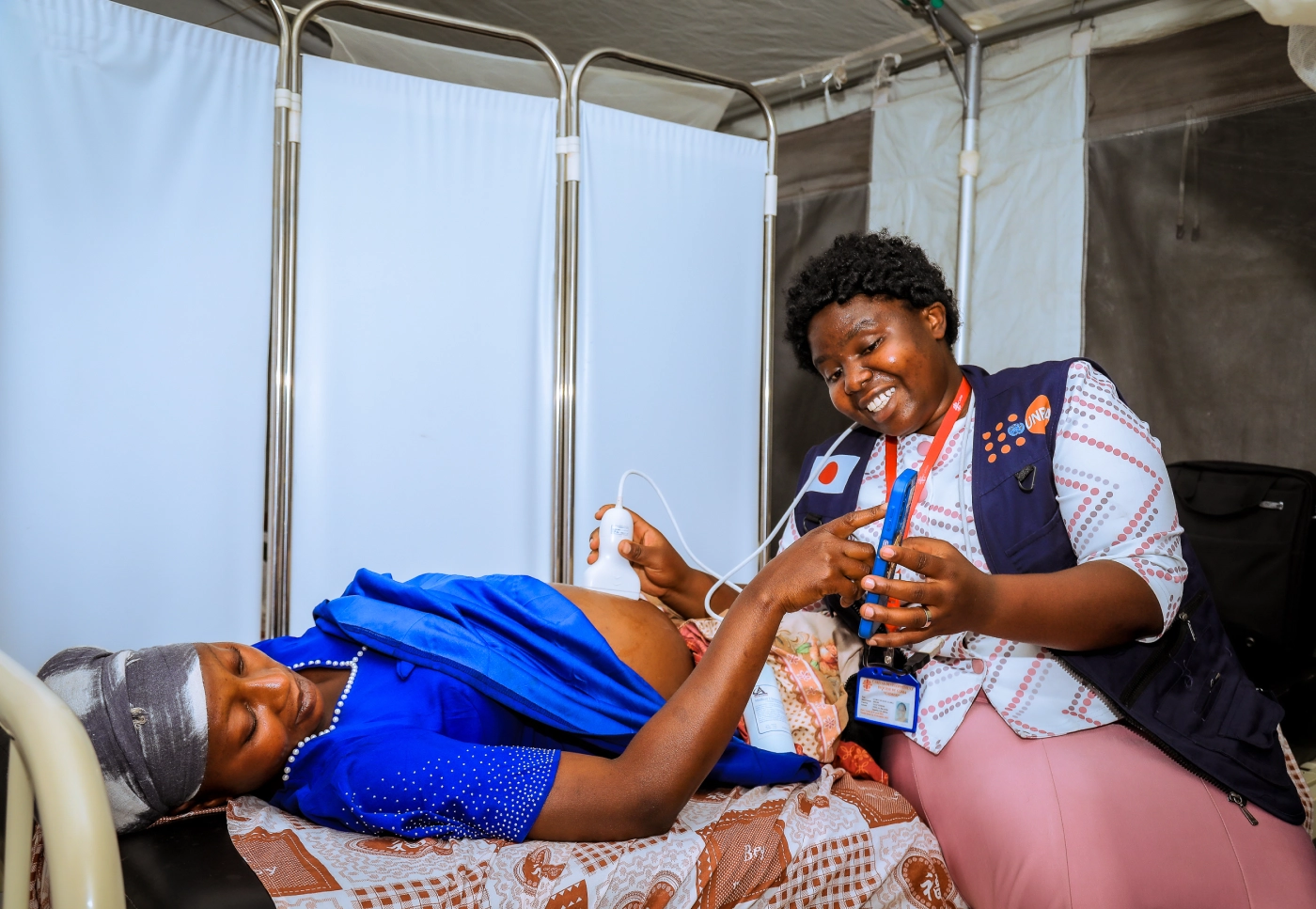
- SOIK Corporation (Japan), SPAQ, a community-led model using AI to detect maternal risk in fragile settings
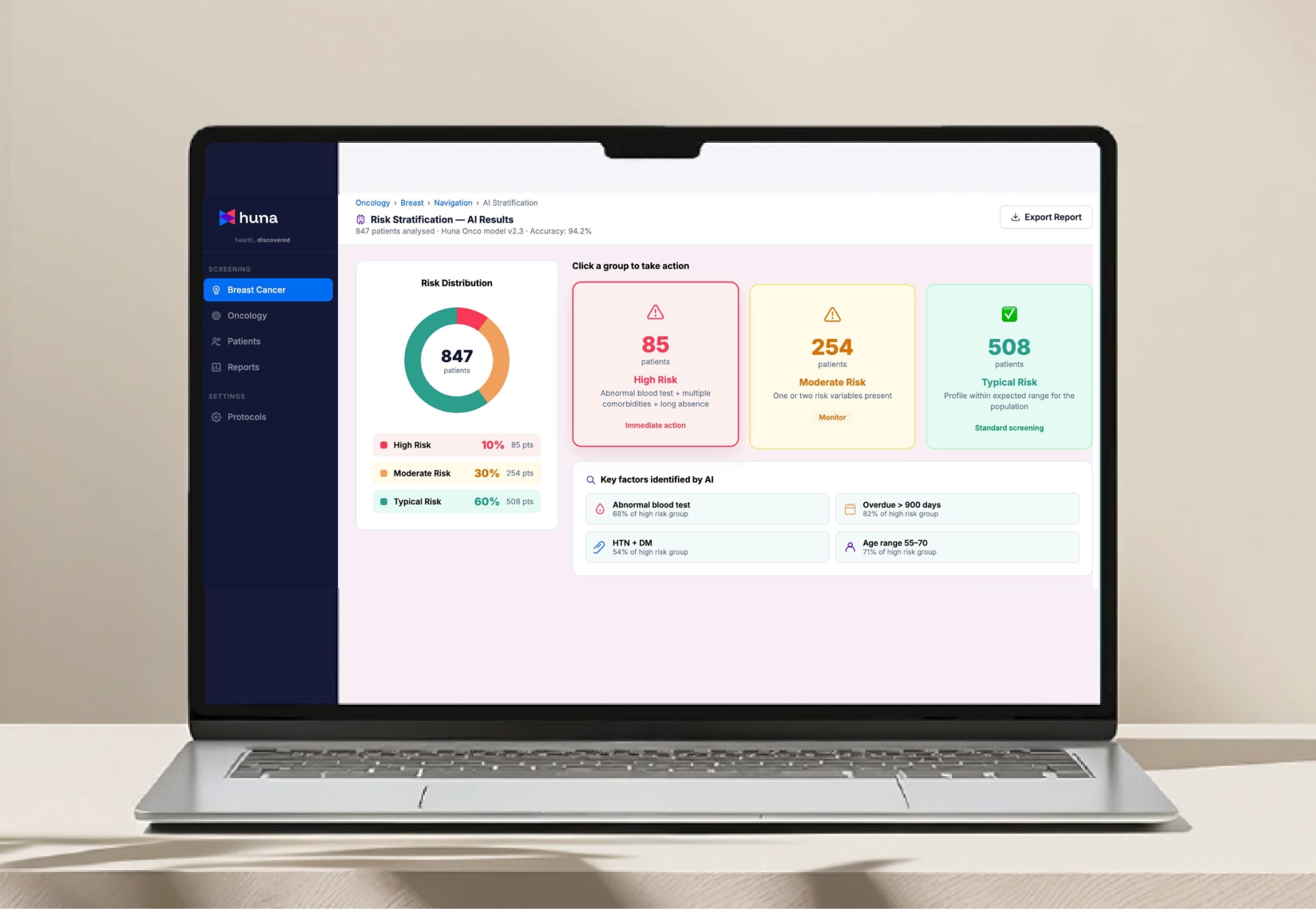
- Huna (Brazil), Huna Cancer Navigator, applying AI to routine blood data to support early cancer detection and patient engagement
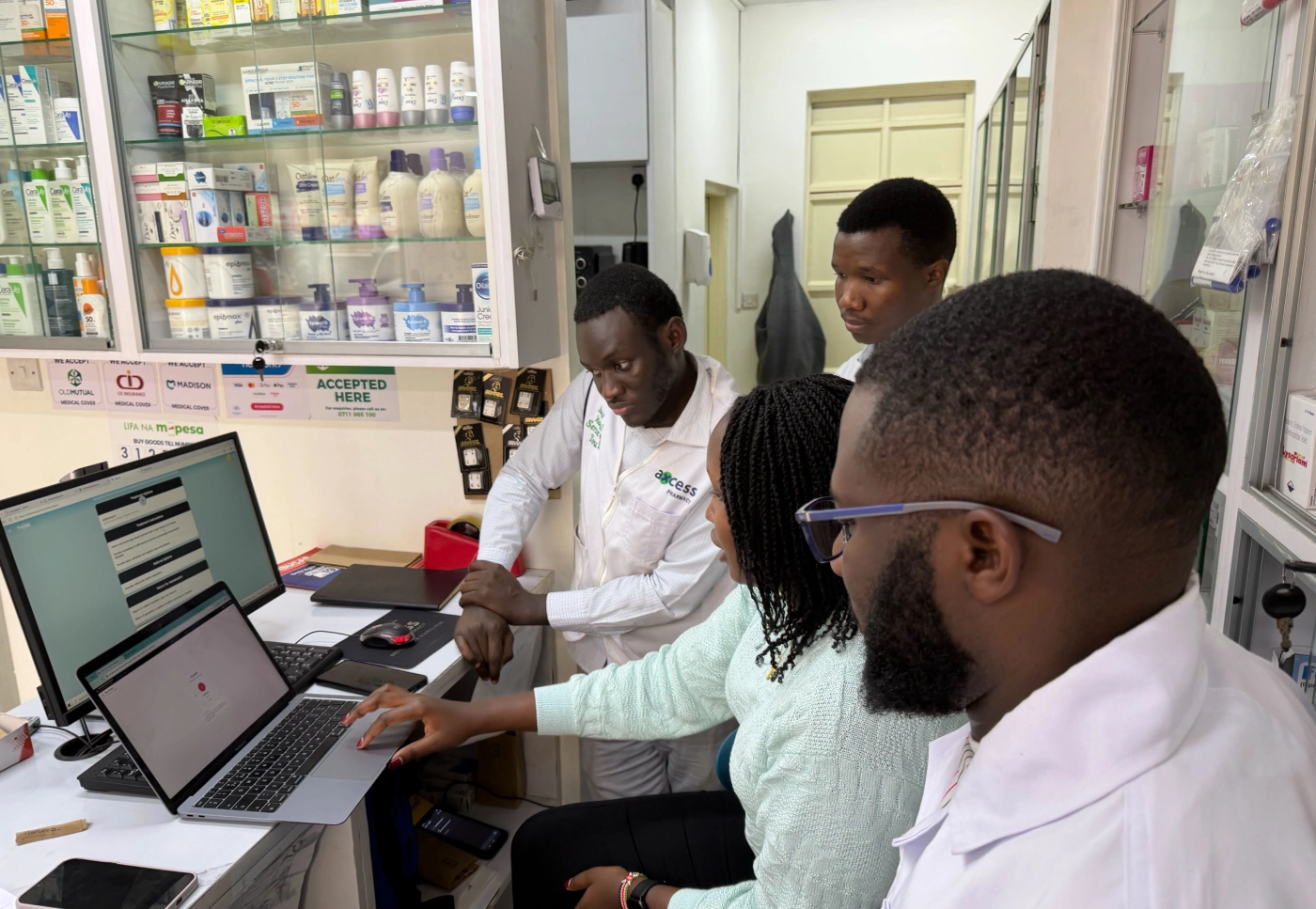
- ThinkMD (Australia), a digital platform enabling better frontline care and generating real-time public health intelligence
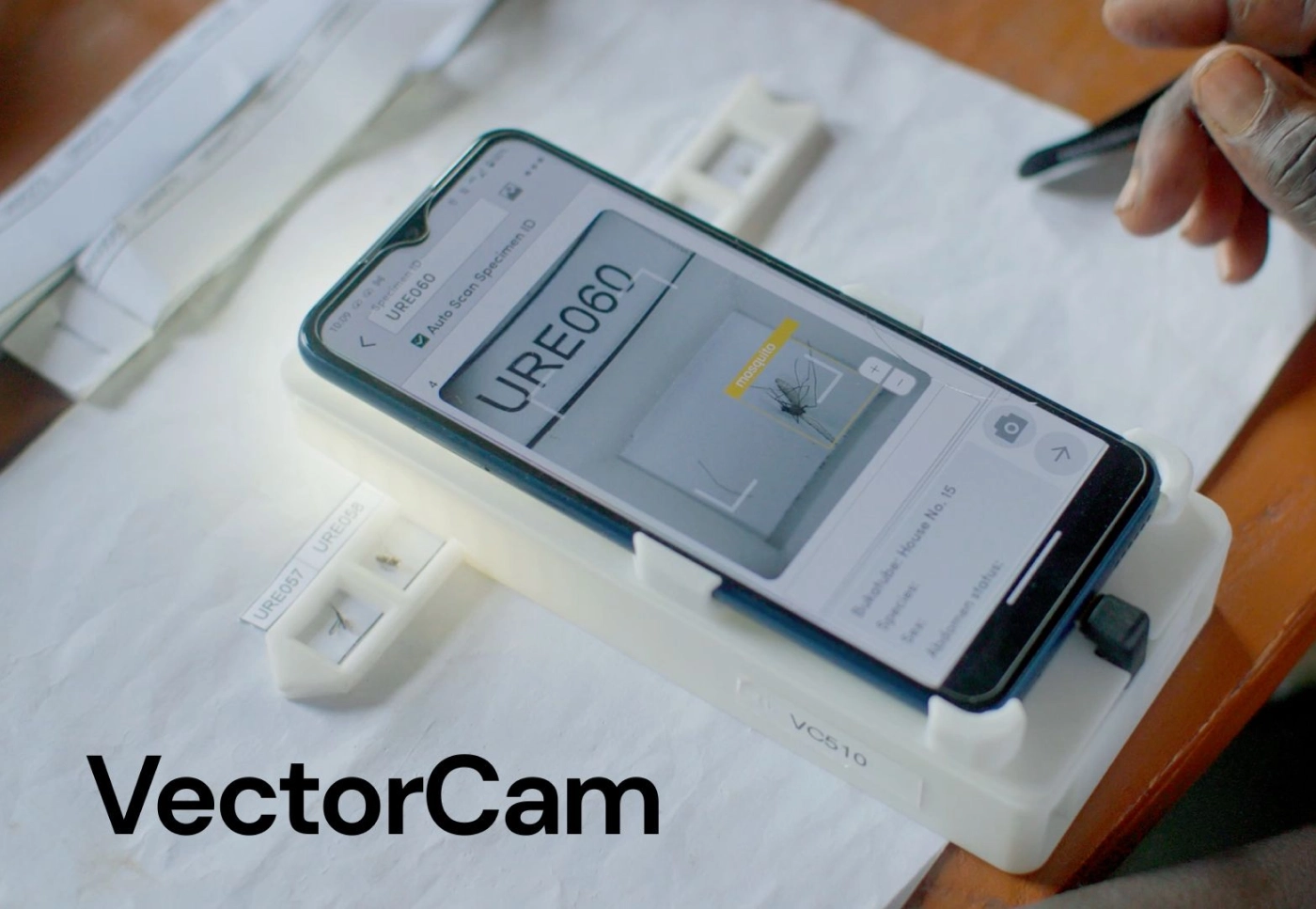
- Vector Control Innovations (United States), VectorCam, an AI-enabled mosquito surveillance system supporting predictive response in low-resource settings
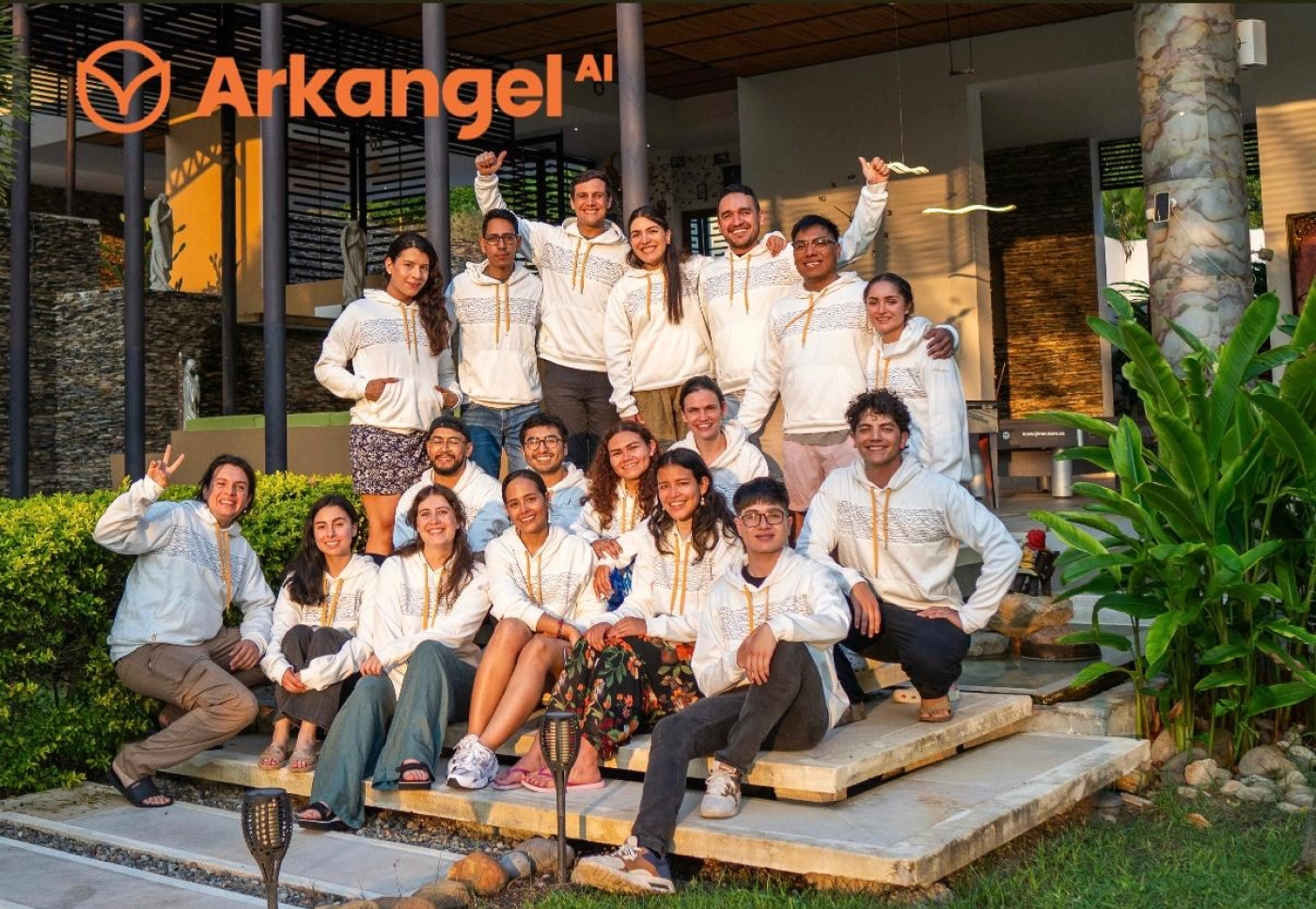
- Arkangel AI (Colombia), Unread Signal, software transforming clinical notes into early warning signals across more than 300 hospitals in 11 countries
Semi-finalists presented their solutions to a panel of six expert judges: Dr. Asma Al Mannaei, Executive Director of Health and Life Sciences Sector at the Department of Health – Abu Dhabi, Dr. Erik Jaap Koornneef, Executive Director of Research at the Institute for Healthier Living Abu Dhabi, Dr. Maaz Shaikh, Vice President of Product Management at M42, a representative from Mubadala BIO, Ms. Uliana Shchepelina, Director of Strategy at PureHealth, and Dr. Mohammed Al Bitar, Advisor for Health and Life Sciences Sector at the Department of Health – Abu Dhabi.
Finalist teams will present their solutions at a live pitching session during the World Health Assembly in Geneva on 19 May 2026, where an overall winner and two runner-up teams will be selected. The Challenge will award a USD 200,000 grand prize, alongside two USD 50,000 runner-up awards as well as access to a global network of policymakers, investors and health leaders.
Dr. Asma Al Mannaei, Executive Director of the Health and Life Sciences Sector at the Department of Health, Abu Dhabi, said: “What we are seeing today is a fundamental shift in how health systems can operate, from responding to illness to understanding risk earlier and acting sooner. These finalists reflect the next generation of solutions that make this shift possible at scale. Through Future Health, Abu Dhabi is not only convening global innovation, but actively shaping how it translates into real-world systems that deliver measurable impact.”
Hala Hanna, Executive Director of MIT Solve, said: “The scale and diversity of submissions reflect a shared global urgency to rethink how health systems detect and respond to risk. These finalists demonstrate how locally grounded solutions can inform transformation at a global level.”
MIT Solve brings a decade of experience running global open innovation challenges across health, climate, learning and economic prosperity, having mobilised over USD 80 million for innovators worldwide and supported solutions reaching more than 370 million lives. Notably, 94 percent of Solve-supported teams selected between 2020 and 2024 remain operational today.
The collaboration with MIT Solve forms part of Future Health’s broader year-round programme of activities, which convenes stakeholders across innovation, policy, and investment to advance collaboration and co-create the future of health. Future Health supports the development and scaling of new approaches to health systems, with additional initiatives and opportunities for global engagement to be introduced throughout the year.
The following semi-finalist teams are also recognised for their high-potential solutions:
- Quantitative Engineering Design / QED.ai (Malawi), ScanForm, an AI solution digitising handwritten epidemic data in real time
- Nabta Health (United Arab Emirates), Sovereign Workforce Health, an AI-powered clinical risk detection model embedded within insured populations
- eSHIFT Partner Network (Switzerland), FacilityPulse, an open-source AI toolkit converting citizen reviews into actionable health intelligence
- The Antara Foundation (India), Anugami, a digital intelligence layer connecting health systems around women and children
- Environmental Women Organisation (Colombia), Ethnohealth AI, an indigenous early warning system integrating traditional medicine into predictive health intelligence
Ten Honourable Mention teams from Nepal, South Africa, Zimbabwe, Uganda, the United States, India, Thailand, Kenya and the United Arab Emirates have also been recognised for their contributions.
Representatives from semi-finalist and selected Honourable Mention teams will be invited to showcase their innovations at the Abu Dhabi Future Health Summit, taking place from 20 to 22 October 2026, providing direct access to global policymakers, investors and health leaders.
As Future Health continues to expand its global network, policymakers, innovators, investors, and researchers are invited to join this movement of shared progress, and contribute to shaping the future of more predictive, preventive, and inclusive health systems for all.
For more information about the Future Health Challenge and upcoming programme milestones, visit https://futurehealthinitiative.ae